
The charity events that work in South Africa usually have one thing in common: nobody feels trapped. Not trapped in a speech, not trapped at a silent auction table, not trapped next to a sponsor pull-up banner while someone explains the raffle rules for fifteen minutes.
I’ve seen a school hall in Pretoria raise more in one night than a glossy hotel luncheon, mainly because the parents were relaxed, the cause was clear, and the room had corners where people could move, talk, donate, eat, and recover. That spacing matters. People give differently when they can breathe.
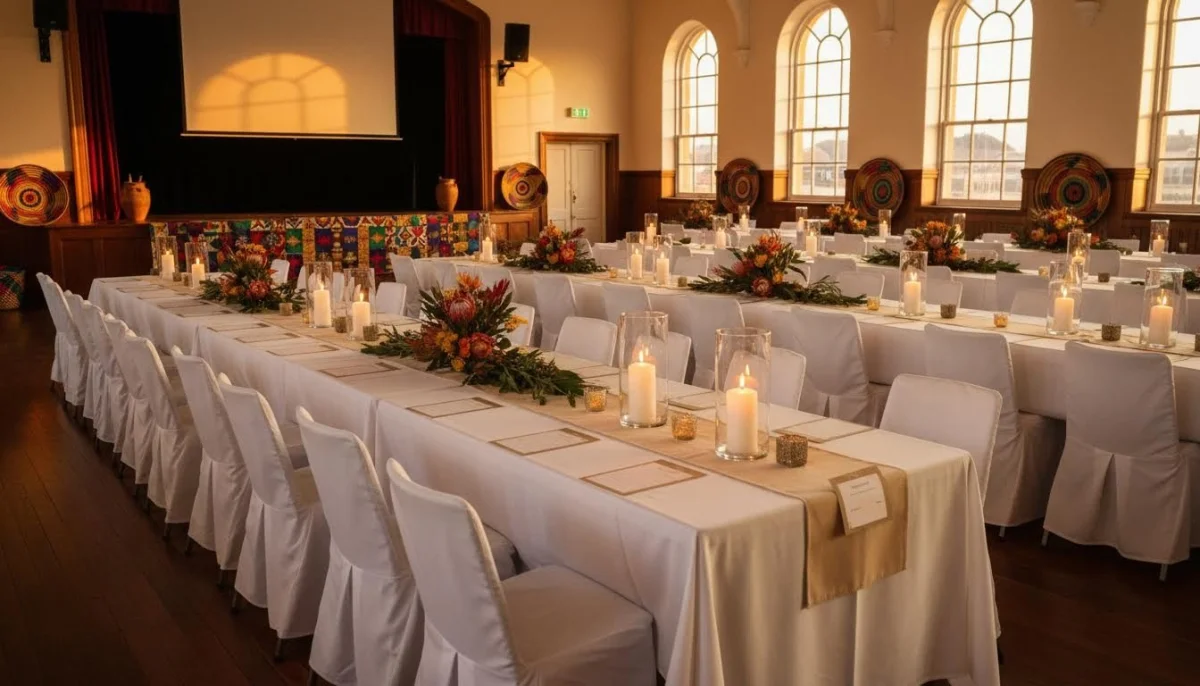
There’s one detail that decides whether guests leave early, and it is not the colour palette. It is the rhythm of the evening: how quickly they know what the cause is, how soon they get something to drink, how long they wait before the first ask, and whether the room still feels dignified after the third prize draw.
The best fundraising story is usually very specific
Broad charity language goes soft very quickly. “Helping the community” can mean anything, which means guests nod politely and check their phones under the table. The successful events I remember gave the room something exact: 60 winter school shoes for children in Hammanskraal, transport for a Cape Flats sports team, a hospice freezer room repair, a scholarship shortfall that had an actual number next to it.

Keep the story small enough to picture. A single student, one rescue van, one clinic room, one team bus. People can support a clear outcome much faster than an abstract mission statement.
One oddly specific thing I notice at these events: there is always a parent or committee member guarding the donation box like it contains crown jewels, usually with a handbag tucked under one elbow and a half-drunk Appletiser sweating onto the tablecloth.
People give faster when they know exactly what their money is buying.
A Durban fundraiser chairperson, said while counting raffle envelopes near the kitchen door
- Put the target amount on display, not hidden in the programme.
- Give the cause one human face, even if the project is large.
- Ask once with grace, then give people space to act.
- Let the MC repeat payment details in plain English, not committee language.
The stylish events were not always the expensive ones
I am biased here, maybe unfairly. I would rather attend a restrained fundraiser with good lighting and a clean programme than a themed circus with ten sponsor logos, a dry chicken breast, and a host who thinks volume equals emotion.
This is where Event Stylists can make a charity evening feel intentional without smothering the room. Good styling at a fundraiser is not flower towers everywhere. It is entrance flow, donation table placement, signage that does not look like a school project, linen that does not fight with the chairs, and one strong visual moment where guests understand the cause before someone even reaches the microphone.


For a mid-to-upper market charity dinner in Joburg, expect proper styling support to sit anywhere from about R12,000 to R45,000, depending on scale, flowers, furniture sourcing, setup time, and how much custom printing is involved. A small school fundraiser can spend less if the venue already has decent furniture, but once you want a polished entrance, stage area, and auction zone, the numbers climb.
| Area | What it changes |
|---|---|
| Entrance | Guests understand the cause before the first speech. |
| Pledge table | Donation cards, card machines, and QR codes look deliberate. |
| Stage area | Photos look credible for sponsors and future supporters. |
| Auction display | Prizes feel valuable, not dumped on a trestle. |
A simple food note because someone will ask: if the main meal is catered, use the gaps wisely. Mini curry bowls from a Durban caterer work beautifully for arrival snacks at a winter fundraiser, especially when guests have driven from Umhlanga traffic and arrive hungry but still dressed nicely.
The fundraisers people remember had a generous room layout
Not generous as in rich. Generous as in physically kind. There is space between tables. The auction is not blocking the bar. The raffle seller is not standing in the only route to the toilets. The speaker can reach the front without squeezing past someone’s chair and dipping a sleeve into gravy.

At one estate clubhouse event in Centurion, the host used the lounge area as a quiet sponsor corner instead of cramming everything into the dining room. It felt almost too simple, but it worked. People who wanted business talk had somewhere to stand with wine, and people who came for the cause stayed near the stage. I’m pretending not to care, but I cared. The room behaved.
Most People Forget
Guests care more about
- Being able to see the speaker
- Short queues at the bar
- An easy route to the donation point
- Seats that do not trap them all evening
Than
- Matching napkin folds
- A complicated theme name
- Oversized centrepieces
- A programme printed on expensive paper
If your event uses long banquet seating, put the donation point near the exit path, not right behind the most important table. If you use round tables, leave enough space for servers to move. Boring advice, yes. Still true.
Technology helped, but only when it stayed simple
Event Apps can be brilliant for charity auctions, seat allocations, bidding, instant pledge updates, and sponsor visibility, especially for a corporate crowd that is already living on their phones. They can also irritate guests if the Wi-Fi is weak, the login is fussy, or the committee assumes every ouma at the table wants to download something between starter and mains.

Digital bidding suits higher-value auctions and sponsor-heavy evenings. For a smaller community fundraiser, a printed bid sheet can still win if someone checks it often and keeps handwriting legible.
For proper auction or donor management support, budget from about R18,000 to R60,000 for a serious event, depending on guest numbers, bidding features, payment integration, reporting, and whether there is on-site support. This is not a cute extra if your whole fundraising plan depends on it. It is part of the money machinery.
| 5:30 PM | Guests arrive, welcome drink, donation target visible |
|---|---|
| 6:15 PM | Short cause story before the room gets restless |
| 7:00 PM | Dinner service and auction browsing |
| 8:00 PM | Main pledge moment, clear amount, clear payment options |
| 8:45 PM | Auction closes before dessert plates vanish |
The most moving stories had proof in the room
Not every charity event needs a beneficiary speech. Sometimes it is too raw, or unfair, or just not appropriate for the person involved. But proof matters. A short video, a photo wall, a before and after board, a teacher speaking for two minutes, a nurse saying what one machine will change. Those things cut through the polite wine chatter.


I like a two-minute video more than a ten-minute speech. Sorry. A good video gives people faces, context, and pace, while a long speech can become a hostage situation, especially after dessert.
A Fundraiser That Actually Holds The Room
- Guests arrive to a visible target and a calm welcome
- The first story is short and specific
- Food arrives before the room gets irritated
- The auction feels like discovery, not admin
- The pledge moment is clear, then the evening relaxes again
If you want impact content captured properly, Event Vloggers can be useful before, during, and after the fundraiser. They are not there to turn grief into content. The good ones capture sponsor mentions, guest reactions, auction energy, and the handover story later, so the charity has something to send to donors who could not attend.
For a polished event film and short social clips, expect roughly R15,000 to R45,000, with higher numbers for multiple cameras, same-week edits, interviews, and travel. If your fundraiser relies on next year’s sponsors, that recap video can be more valuable than another floral installation.
Food should support the cause, not become the whole event
A charity dinner does not need to feed people like a wedding. It does need to be orderly. If guests are paying R750, R1,200, or R2,500 a seat, the food must arrive hot, dietary notes must be respected, and the vegetarian option cannot look like punishment.

I’ve been to winter fundraisers in Gauteng where a soup cup did more for the room than the expensive centrepiece. Cold guests become stingy guests. That’s not science, maybe, but it feels true in June when the venue doors keep opening and someone’s uncle refuses to take off his puffer jacket.
- Confirm dietary counts three days before the event.
- Serve something small within the first 45 minutes.
- Keep the bar queue away from auction items.
- Put water on tables before speeches begin.
- Plan coffee before the final thank-you, not after half the room has left.
A Nu Metro cinema-style popcorn station can work for a youth charity screening, but for a donor dinner I would keep the snacks more restrained. This is one of those tiny judgement calls that separates charming from noisy.
The sponsor moments should feel graceful
Sponsors want visibility. Guests want the evening to keep moving. The host sits between those two truths with a clipboard and a smile that starts to hurt by 9 PM.

Put sponsor thanks into natural places: printed menu, welcome screen, auction catalogue, MC mention before the main pledge, recap video afterwards. Do not make twelve sponsor representatives walk up one by one unless you secretly want the room to age in real time.
How long should the main charity speech be?
Five minutes is generous. Seven is risky. If the story needs more, use a short video and let the speaker close with the ask.
Should every sponsor get stage time?
No. Give major sponsors a dignified mention and visible branding, but protect the pace of the evening.
Is a live auction better than a silent auction?
Only with the right crowd and a confident auctioneer. Otherwise, silent bidding with clear closing times is cleaner.
After an FAQ or any printed programme, leave one blank line somewhere for the actual host to breathe. I overexplain this because I’ve watched committees fill every second with content, then wonder why people sneak out before the final total is announced.
What guests remember after the money is counted
They remember the woman who explained the bursary fund without making it sentimental. They remember the auction prize they nearly won. They remember warm light, a decent glass of wine, a short speech, and the feeling that their contribution had somewhere to go.

The final total reveal should be clean and quick. Let people clap, thank them properly, and resist the urge to add another speech once the room has already given you its emotion.
The inspiring part is rarely the decor on its own, or the auction app, or the video, although those things can carry the night when used properly. It is the way the event lets people move from curiosity to care to action without being shoved. That is a very elegant thing, actually.
For a charity fundraiser, choose the few hired elements that protect the story: styling where guests arrive and give, simple donation tech if the crowd suits it, and proper event filming if the cause needs life after the evening. The rest can stay beautifully restrained.
Comments
Join the conversation — no account needed. Comments are moderated before they appear.
Be the first to leave a comment.
Leave a comment