
The food at a celebration of life does a strange job. It has to welcome people who may be raw, distracted, tired, overdressed, underdressed, or standing in a school hall holding a paper serviette like it might save them. It should not scream for attention. It should not feel like a wedding tasting menu with grief tucked into the corner. The best food for this kind of gathering is steady, generous, easy to hold, and recognisable enough that nobody has to ask too many questions.
I have a blunt opinion: tiny precious canapés are wrong for a celebration of life unless the person being remembered genuinely lived on smoked salmon and microgreens. People need food that behaves like food.
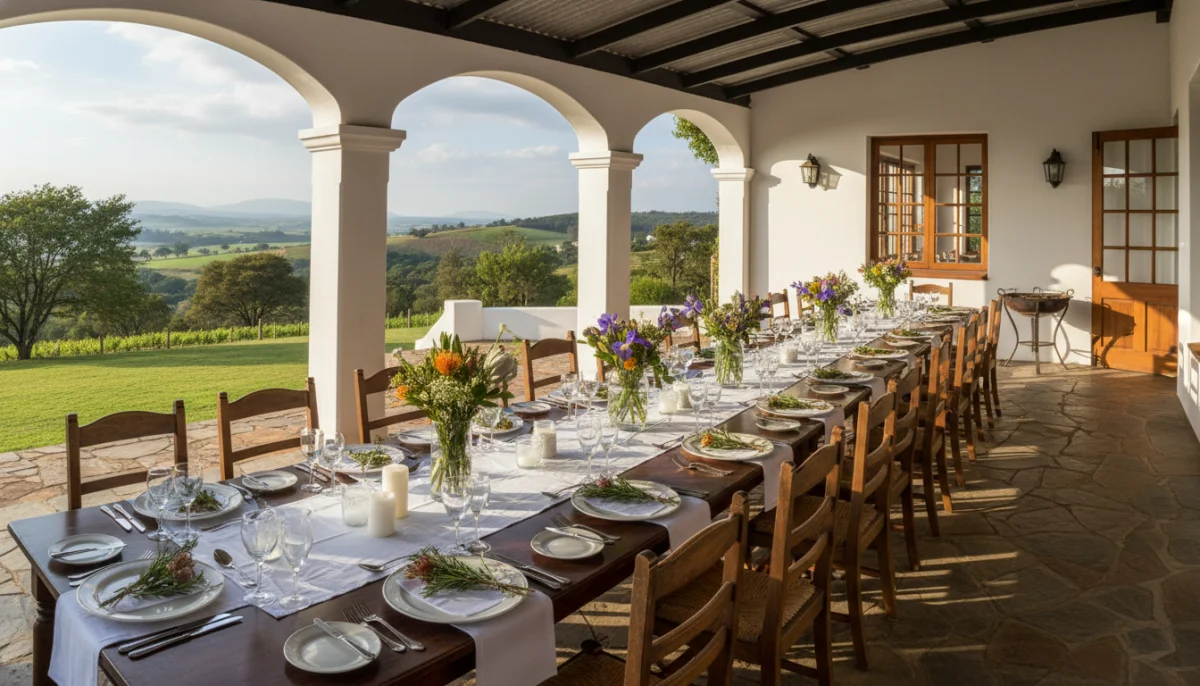
This is not a menu for impressing the cousin who once watched MasterChef and never recovered. It is a menu for a room that keeps shifting between laughter and quiet. It is for aunties who want tea, teenagers hovering near the doorway, colleagues arriving late from Sandton traffic, and one person who keeps asking where the teaspoons are. There’s one detail that decides whether guests leave early, and it is not the floral arrangement. It is whether the first bite arrives before the room starts feeling thin.
Start with food that can stand quietly in the room

The opening food should not require knives, a long explanation, or perfect timing. Think warm, soft, familiar textures. Food that forgives a delayed speech.
A celebration of life is not always a lunch and not always a tea. It can be a late morning gathering at an estate clubhouse in Centurion, a Saturday afternoon at a church hall in Durban North, or a family home in Mitchells Plain where the lounge chairs have been moved against the wall. The menu should fit the hour, but it should also fit the emotional temperature.
Start with one soft anchor: vetkoek with savoury mince, chicken mayo rolls, mini quiches, or buttered scones with jam. I am getting oddly excited about scones here, which feels intense, but a proper scone has the right energy. It breaks cleanly, it gives people something to do with their hands, and it does not drip onto black trousers.
- Vetkoek with savoury mince: best for late morning or lunch, especially if older relatives are coming hungry.
- Chicken mayo sandwiches from a padstal bakery: plain, useful, and strangely comforting when cut into triangles.
- Mini quiches from a café bakery: good for vegetarian guests if you avoid only bacon fillings.
- Buttered scones with apricot jam: safe for tea tables and very good with rooibos.
- Cheese and onion muffins: not glamorous, but they survive sitting out better than delicate pastry.
If you are buying in a few items, keep the sources mixed. Chicken mayo sandwiches from a padstal on the N4 are often better than people expect. Mini samoosas from an Indian deli in Fordsburg or Durban’s Overport area will disappear faster than your carefully planned crudité cups. Koeksisters from a Spar bakery are fine if you are already doing the shop run and do not feel like making life a sport.
Most People Forget
Guests care more about
- Food they can eat while standing
- Clear labels for meat, dairy, nuts, and spice
- Enough tea, coffee, and cold water
- A first plate before speeches go deep
Than
- Elaborate garnish
- Matching platters
- A dessert tower nobody asked for
- Trying to copy a restaurant menu
Do not make the first food spicy unless the family eats that way. This is not a moral issue. It is a blouse issue, a stomach issue, and occasionally a grandparent issue.
Build the table around one main recipe, not fifteen little ambitions

The most useful celebration of life menu has one proper centre. Not five mains. Not eight side dishes because WhatsApp opinions got loud. One centre, two sides, one bread, one sweet thing. That is enough. It gives the table a spine.
Biryani works beautifully if it suits the family. So does chicken pie. So does lasagne, bobotie, lamb stew, breyani, vegetable curry, cottage pie, or a slow cooked beef pot with rice. The point is not culinary purity. The point is a warm dish that can wait, feed many people, and still taste decent after the programme runs 27 minutes over because three colleagues suddenly decided they had speeches.
| Main recipe | Why it works | What to serve with it | Host note |
|---|---|---|---|
| Chicken biryani | Feeds a crowd and carries flavour without needing fancy sides. | Cucumber raita, tomato sambal, boiled eggs. | Make one mild tray and one spicier tray if your family is divided. |
| Chicken and mushroom pie | Soft, nostalgic, easy for older guests to eat. | Green salad, beetroot salad, dinner rolls. | Cut portions before guests arrive so the pastry does not get attacked. |
| Cape Malay bobotie | Sweet spice, familiar rice plate, good for lunch. | Yellow rice, chutney, sambals. | Label the raisins. People have strong feelings. |
| Vegetable curry | Useful for vegetarian guests without looking like an afterthought. | Basmati rice, rotis, plain yoghurt. | Keep the chilli controlled unless the crowd expects heat. |
| Slow beef stew | Comforting, filling, and forgiving on timing. | Rice, steamed veg, crusty bread. | Use bowls if people are sitting. Plates if they are standing. |
A family recipe is strong here, but only if someone can actually make it at scale. If the remembered person was known for a Sunday lamb curry, lovely, make that the centre. But do not burden the grieving sister with 9 kilograms of onions and a pot that smells like stress at 6 AM.
For bigger gatherings, this is where one professional hand can help without turning the day into an event expo. If you need it, Buffet Catering is the one service I would consider because it carries the meal quietly. A decent caterer for a proper hot spread can sit around R220 - R420 per person, sometimes more for premium meat, staff, crockery, and delivery, and that is the budget line that actually matters.
The recipes should feel like the person, but not trap the family in nostalgia theatre


Food memory is not always the dish itself. Sometimes it is the way someone cut guavas with a steak knife. Sometimes it is the smell of onions browning before rugby. Sometimes it is the Checkers cake counter box arriving with someone’s name slightly off centre in blue icing. Looks do not matter, obviously, except that I will absolutely notice if the tablecloth is shiny polyester and fighting the lighting.
Choose two or three food memories and translate them into dishes that work for a crowd. If the person loved fishing, do not necessarily serve a whole fish that needs bones negotiated in public. Do fish cakes or seafood snack skewers from a coastal fish market if you are near the coast. If they loved Sunday tea, do scones, lemon loaf, and rooibos. If they were a braai person, do mini boerewors rolls rather than making guests stand in smoke while someone argues about coals.
The right dish can say, we knew them, without making the family perform grief for the room.
Anele
A small recipe board works better than a speech about every dish
Put one short note next to a meaningful dish. Not a paragraph. Just enough. “Ma’s lemon loaf, baked by the cousins.” “Uncle Themba’s favourite tomato bredie.” “Aunty Salma’s samoosa recipe, made milder for the room.” That last line is probably optimistic, but let us allow hope.
There is a tiny moment I always notice at these gatherings. Someone older will lift the foil corner of a dish, not to take food yet, just to check. It is a quiet audit of care.
The best celebration of life plates are soft, warm, and easy to return to

Texture matters more than people admit. Soft pastry, saucy rice, warm stew, tender vegetables, and bread that does not fight the jaw. This is not the day for aggressive crackers.
Comfort food gets mocked until the room needs it. A celebration of life is exactly where chicken pie, rice dishes, stews, potato bake, roasted vegetables, and bread rolls make sense. The plate should not collapse when someone sits with it on their lap because the venue has 40 chairs and 83 humans.
If your gathering is at home, make dishes that can be cooked the day before and reheated without drama. Biryani, lasagne, bobotie, stew, curry, and malva pudding all improve or survive well overnight. Fresh green salad does not. It starts confident and ends like a damp apology.
For a hot main at a hired venue, ask what the kitchen allows. Some school halls and community halls have rules about open flames, plug points, kitchen access, and who is allowed behind the counter. Estate clubhouses can be even more particular. They will happily tell you where not to put the urn, in a tone that suggests the urn has committed crimes before.
- Use foil trays only if someone is assigned to make them look less sad before guests arrive.
- Choose two proteins at most, unless the group is huge.
- Always include one vegetarian main that is not just salad.
- Keep sauces separate if guests are standing.
- Use warm plates if the venue kitchen can manage it. If not, do not spiral.
Make the tea table the emotional landing zone

Tea is not a side act at a celebration of life in South Africa. Tea is crowd management. Tea gives people somewhere to go after they greet the family. Tea gives the neighbour who did not know what to say a task. Tea gives the person who has been crying something warm to hold.
The tea table should be separate from the main food table if you have space. It needs mugs, disposable cups if the venue is casual, sugar, sweetener, milk, rooibos, black tea, instant coffee, decaf if you have an older crowd, and enough teaspoons to survive mysterious disappearance. I have seen teaspoons vanish faster than party balloons in Cape wind.
| Arrival | Tea, water, and one small savoury item are ready before the first guest walks in. |
|---|---|
| After welcome | Main food opens, with someone guiding older guests first if needed. |
| After tributes | Dessert and coffee come out, because people linger after stories. |
| Last hour | Leftovers are packed quietly, not while guests are still serving. |
For the tea food, keep it soft and repeatable: rusks, banana bread, lemon loaf, koeksisters, milk tart squares, scones, lamingtons, and small biscuits. You do not need every one. Three sweet things and one savoury bite will do if the main meal is coming.


If the person loved coffee, a proper coffee corner is not silly. It can feel like a gentle nod. But do not create a queue where people wait 11 minutes for a cappuccino while the family is receiving guests. Filter coffee is underrated. So is a good flask arrangement, said with the seriousness of someone who has watched a Nu Metro queue move faster than a single home machine at a function.
Cold food has to work harder than hot food

Cold food is convenient, but it can feel careless if it is only platters and cling wrap. The trick is to make it abundant and properly dressed. Not drowning. Dressed. There is a difference, and I will become unfairly intense about potato salad if pushed.
A good cold table can work for a late afternoon remembrance where guests are not expecting a full lunch. Use sliced roast chicken, cold beef, pickled fish, egg mayo rolls, pasta salad, potato salad, beetroot, green salad, bread rolls, chutneys, and a sharp pickle. Add one warm soup if the weather is cold. In Joburg winter, soup does more emotional labour than half the decor.
| Table style | Food to include | Best setting | Do not forget |
|---|---|---|---|
| Tea and light lunch | Chicken mayo rolls, mini quiches, fruit, scones, lemon loaf. | Late morning at a church or home. | Butter, jam, serviettes, and enough tea. |
| Afternoon cold spread | Roast chicken, potato salad, beetroot, green salad, rolls. | Estate clubhouse or community hall. | Separate tongs for meat and salads. |
| Cape style table | Pickled fish, rolls, salads, koesisters, tea. | Family home or hall in the Western Cape. | Clear labels for spice and fish bones. |
| Simple sandwich table | Chicken mayo, cheese and tomato, egg mayo, cucumber sandwiches. | Short gathering after a service. | Cover sandwiches lightly so they do not dry out. |
Cold meat platters from a proper butcher can be a better spend than random mixed platters. Ask for sliced roast beef, chicken, and ham if your crowd eats pork, then build salads around that. A butchery in Pretoria East or a good local deli will usually understand function quantities better than a supermarket counter on a rushed Friday.
Dessert should be nostalgic, portioned, and not too clever

Dessert is where memory gets loud in a good way. People soften around pudding. They start telling the small stories that would never make it into a formal tribute.
Dessert at a celebration of life should not require a knife and a dramatic pause. Portion it before guests arrive. Malva pudding cups, peppermint crisp tart cups, milk tart squares, koeksisters, mini lemon meringues, brownies, fruit skewers, and small trifle cups all work. If the person had a famous dessert, use it. If the famous dessert was terrible, make a gentler version and keep the family peace.
Peppermint crisp tart cups from a home baker are excellent because they can be portioned cleanly and chilled. Malva pudding shots from a dessert caterer are rich, warm, and slightly ridiculous in the best way. Turkish delight platters from a Turkish deli are beautiful with tea, especially if the gathering has a quieter, more formal feel.
- Cut cake into small squares before guests arrive.
- Keep one sugar-free or less sweet option if older guests are expected.
- Use dessert cups with teaspoons, not deep bowls with big spoons.
- Label nuts clearly, especially in brownies and Turkish sweets.
- Put dessert near coffee, but not directly beside the urn.
A cake can be meaningful, but I would not make it the dramatic centre unless the person was known for cake. One simple sheet cake, sliced, is often better than a tall show cake. The big cake moment can feel oddly birthday-adjacent, and that is not always the note you want.
Plan the recipes around how people will actually move

Food planning gets easier when you picture the room moving, not the recipe sitting beautifully on a screen. Guests arrive in uneven waves. Some greet the family first. Some go straight to tea because they cannot face conversation yet. Some children drift toward the food and touch exactly what you hoped they would not touch. Normal.
How the food should move through the gathering
- Guests arrive and see tea, water, and a small savoury bite.
- The welcome happens before anyone is starving.
- Main food opens with clear labels and short queues.
- Dessert appears after tributes, not before.
- Tea stays open until the last cluster of guests leaves.
If the venue has limited seating, make the menu more hand friendly. Rolls, mini pies, samoosas, skewers, sandwiches, quiches, and dessert cups are safer than saucy plates. If there are proper tables, you can do stew, curry, biryani, and plated dessert with less stress. It sounds boring. It is boring. It is also the part that saves the host.
Put plates at the start, cutlery at the end, serviettes in both places. Drinks should be away from the food line because a drinks queue and a food queue mating in the middle of a hall is a punishment. Leave space for handbags. There is always a handbag on a buffet corner, looking innocent and blocking access to the chutney.
Food flow, expectation versus reality
Expectation
- Guests wait neatly until lunch is announced.
- Everyone reads the labels.
- One dessert platter is enough.
- Children avoid the tea station.
Reality
- People graze the moment they arrive.
- Someone still asks if chicken is vegetarian.
- The familiar sweet goes first.
- A child will find sugar sachets like treasure.
A recipe plan for 30, 60, or 100 guests


Numbers matter more than the recipe blog world admits. A dish that feels generous for 12 becomes mean for 60 if nobody scales the sides. I prefer planning by table role: arrival bite, main plate, soft side, fresh side, bread, dessert, tea. That structure works whether you are feeding 30 people at home or 100 in a hired hall.
| Guest count | Arrival savoury | Main food | Dessert | Tea and drinks |
|---|---|---|---|---|
| 30 guests | 45 to 60 small bites. | One large main tray plus two sides. | 40 small dessert portions. | Two urns or one urn with kettle backup. |
| 60 guests | 90 to 120 small bites. | Two main trays, two sides, bread. | 75 to 90 dessert portions. | Separate tea and cold drink stations. |
| 100 guests | 150 to 200 small bites. | Three to four main trays, clear vegetarian option, extra rice or rolls. | 120 small dessert portions. | Dedicated person refilling cups, milk, water, and ice. |
For 30 guests, home cooking is possible if you have two calm cooks and enough fridge space. For 60, split the labour or buy the main dish in. For 100, please do not let one grieving auntie become the catering department unless she specifically wants that power and has backup.
A safe portion guide is one main plate per person, plus 20% extra for long gatherings or communities where people travel far. Add extra rice, rolls, or salad before adding another expensive protein. This is where organised chaos is useful. You can have a slightly messy table if the quantities are sensible and the refills are ready.
Respect food restrictions without turning the table into a spreadsheet

You do not need a separate universe for every preference, but you do need respect. Halaal, vegetarian, vegan, gluten-free, nut allergies, and pork-free needs are not decoration. They decide whether someone can eat or must stand around pretending water is lunch.
Keep labels plain. “Contains nuts.” “Vegetarian.” “Halaal chicken.” “Pork.” “Dairy.” Not cute names. Not colour codes only. A grieving room is not the place for guests to decode a Pinterest system.
- Ask the close family about religious food needs before choosing the menu.
- Use separate serving spoons for meat and vegetarian dishes.
- Do not hide nuts in desserts without labels.
- Keep pork clearly marked, especially in mixed communities.
- Have one plain starch: rice, rolls, or potatoes.
If you are using a caterer, be direct about food rules. Do not say “some people might be halaal” and hope the kitchen reads your mind. Say how many portions, how they must be prepared, and whether separate utensils are required. A vague instruction becomes a problem on the day.
Should we serve alcohol at a celebration of life?
Only if it fits the person, the family, and the venue. Many gatherings are better with tea, coffee, water, juice, and maybe a quiet toast later.
Is a braai appropriate?
Yes, if the person loved it and the family can handle the timing. For a softer version, serve boerewors rolls, chicken pieces, salads, and rolls instead of making the braai the whole programme.
Can we ask guests to bring food?
Yes, but coordinate it. Ask for categories, not random generosity. Five potato salads and no bread is a very South African possibility.
Use food to create small moments of memory

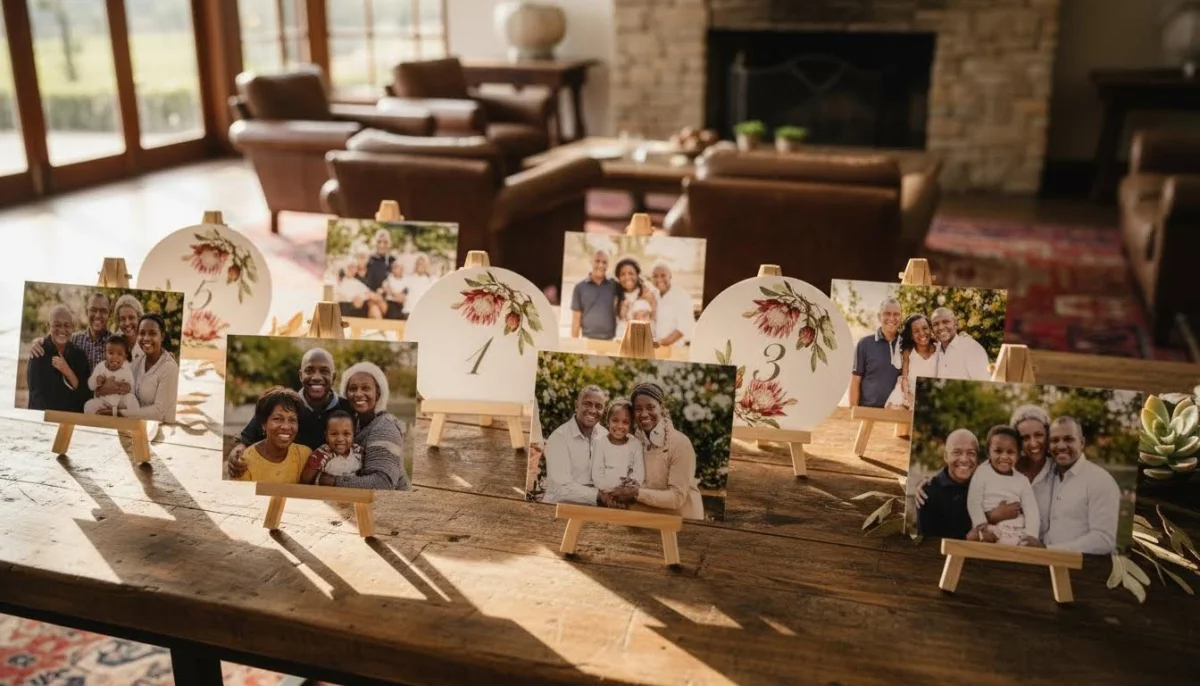
A memory table does not need to be sentimental theatre. One framed photo, one recipe card, one dish they loved. That can be enough.
A recipe can become a memory prompt without anyone forcing speeches. Put out blank cards and ask guests to write a food memory: “She made the best trifle.” “He burned chops every December.” “They always bought us gatsbys after school.” Some people will write one line. Some will write a whole emotional essay in blue pen. Let them.
A short food memory board can sit near dessert. Keep it low pressure. No microphone. No big announcement. Just a place where guests can leave a note or read one while holding tea. I once watched a group of cousins gather around a recipe card and argue, very softly, about whether the secret was vinegar or patience. It was funny and tender, and nobody had to perform.
Do not overdesign it. I know, I know, I keep noticing visuals after claiming they do not matter. But this is the place for restraint. Brown paper labels, glass jars, linen cloth if you have one, and food that looks touched by humans. Not sterile. Not chaotic. Organised enough that guests can read the table without asking.
A sample menu that feels warm without becoming heavy

Here is a full menu that works for a late morning to early afternoon celebration of life in South Africa. It is not trying to be fancy. It is trying to keep people fed, steady, and able to stay for stories.
Arrival table
- Mini samoosas from an Indian deli, with mild and spicy separated.
- Chicken mayo sandwiches, cut into triangles and covered lightly.
- Rooibos, black tea, instant coffee, water, and juice.
- One plate of koeksisters or rusks for guests who arrive before the main food.
Main table
- Chicken biryani with cucumber raita and tomato sambal.
- Vegetable curry with rice for non-meat eaters.
- Bread rolls with butter.
- Green salad and beetroot salad.
- Chutney, yoghurt, and clearly labelled chilli sauce.
Dessert table
- Malva pudding cups with warm custard.
- Milk tart squares.
- Peppermint crisp tart cups.
- Fruit skewers for a lighter option.
This menu is rich enough for guests who travelled, but not so heavy that the afternoon turns sluggish. If the gathering is later in the day, reduce the main portions and add more savoury bites. If it is after a funeral service where people have been out for hours, feed them properly. No debate.
For a more Cape Town afternoon version, swap biryani for pickled fish, rolls, salads, and a warm soup if the weather is sulky. For a Durban family gathering, breyani, dhall, salad, and sweetmeats might feel more natural. For a Joburg clubhouse crowd, chicken pie, roast veg, green salad, rolls, and dessert cups will keep things simple. None of these menus need to win awards. They need to feel like care.
Keep the practical parts visible, then let the food do its quiet work

The practical bits are plain. You need enough plates, bowls if serving stew, cutlery, serviettes, cups, rubbish bags, serving spoons, foil, labels, containers for leftovers, and a person who knows where everything is. The host should not be the only person with answers. That is how people end up whispering “Where is the milk?” to the most exhausted person in the room.
If the gathering is larger or being held away from home, a few outside hands can protect the family’s energy. Waiters are worth considering for clearing, tea refills, and keeping the buffet neat. Proper service staff can run around R180 - R350 per person per hour depending on city, shift length, and what they are expected to handle. It is not glamorous spending, but it changes how much emotional labour sits on the family.
- Confirm guest count and add 15% to 20% for food padding.
- Choose one main dish, two sides, one bread, one dessert table.
- Buy or assign arrival bites separately from the main meal.
- Label dietary items clearly.
- Set tea and water up before guests arrive.
- Assign one person to refill and one person to pack leftovers.
- Keep a small plate aside for the closest family before food runs low.
That last point matters. Close family often forget to eat until the good food is gone. Put plates aside quietly. Not in a dramatic way. Just do it.
A celebration of life table should feel like someone looked after the room. Not polished to death. Not sad beige with parsley. Warm dishes, soft bread, tea that keeps coming, dessert in small cups, and one or two recipes that belong to the person. That is enough. More than enough, actually.
Choose food that holds, labels that help, and a flow that protects the family. If you need support, bring in one good caterer or a few service hands, then let the recipes carry the room.

Comments
Join the conversation — no account needed. Comments are moderated before they appear.
Be the first to leave a comment.
Leave a comment