
Picture the event already: Thursday evening, estate clubhouse or school hall hired after hours, branded lanyards behaving badly, someone from accounts hovering near the snacks. This list is not a sequence. Pick one icebreaker direction for the whole mixer, or combine two if the crowd is mixed, like founders, suppliers, cousins who somehow invested, and one man who keeps saying he knows a guy at Nu Metro.
Hires to book: Event Apps, Coffee Machine hire, Corporate Event Planners. That is enough. I’m not turning a networking mixer into a mall expo with smoke and nine stations. Blunt opinion: speed networking without a decent drink in hand is HR punishment with name tags.
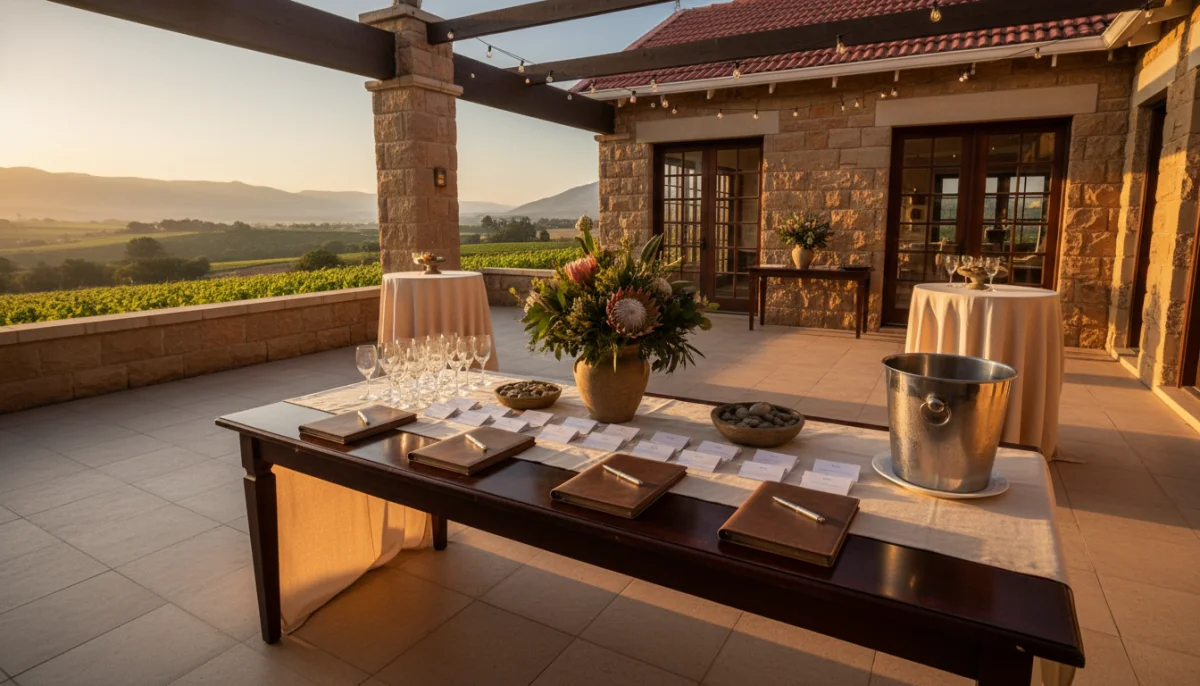
There is one detail that decides whether guests leave early: the first eight minutes. If those feel cold, awkward, or too formal, people retreat into their phones and pretend to read emails from 4:17 PM.
1. The Coffee Queue Opener
Start with coffee, not speeches. A proper barista setup gives shy guests a reason to stand near each other without performing. Good mobile coffee for a corporate evening can sit around R6,000 - R14,000 depending on cups, staff time, and milk options. Add one tiny prompt board beside the cups: “Ask the person behind you what they do badly but confidently.” It works better than it should.

- Use the coffee line as the first icebreaker zone.
- Keep orders simple, flat white, cappuccino, rooibos, done.
- Put rusks from Seattle Coffee Company on the side if it is an early evening crowd.
- Do not place the coffee next to the loudest speaker.
2. The Three Question Badge
Instead of plain name tags, print badges with three tiny prompts under the name: “I need help with”, “I can introduce you to”, and “Ask me about”. This is cheap compared with hiring another entertainment feature, and it makes conversations less painful. It is also very revealing. Someone will write “funding” in all three spaces.
The best badge is not pretty. It is useful before the first drink sweats through the serviette.
Jade, after too many mixers
3. The Phone-Based Matchmaker
If your crowd is tech-comfortable, use a light matchmaking tool where guests answer two questions and get suggested people to meet. Good Event Apps for a business crowd are usually not pocket change, expect roughly R18,000 - R55,000 for setup, support, guest lists, matching, and reporting. This is the one I would use for sponsors, property people, startup founders, or anyone who gets twitchy without a dashboard.

4. The Host-Led First Pairing
This is the simplest one, which means people will try to overdecorate it. Don’t. A confident MC or planner pairs guests for the first five minutes based on colour stickers, table numbers, or industry tags. Corporate Event Planners are often worth the money here, especially for bigger mixers, with proper planning fees often landing around R25,000 - R80,000 before extras. They keep the room moving while you pretend you are calm.

The oddly specific thing I always notice: someone’s parent or business partner arrives early and starts straightening the pens at the registration table. Let them. It gives them purpose and keeps them away from the sound desk.
5. The Snack Map
Food can be an icebreaker if it is placed with intent. Put savoury bites in two corners so people move, not one giant platter graveyard in the middle. Mini burgers and sliders from a good food truck make strangers ask practical questions first, like “Is that the chicken one?” which is not romantic, but it starts the engine.
| Station | What it does |
|---|---|
| Coffee or tea corner | Gives cautious guests a soft landing. |
| Slider station | Creates short, easy conversations without forcing eye contact for too long. |
| Water and cold drinks | Keeps people comfortable on a hot Gauteng afternoon. |
| One sweet bite near the exit | Catches late conversations without trapping people. |
6. The “Find Your Opposite” Wall
Set up a wall with two sides: early bird or night owl, Cape Town wind survivor or Durban humidity loyalist, hates voice notes or sends them freely. Guests place a sticker, then find someone on the other side. It is childish. Fine. Adults at networking events need permission to be a bit childish, otherwise they discuss parking for twenty minutes.


Most People Forget
Guests care more about
- A clear reason to talk
- Somewhere to put a drink
- Not feeling trapped in a circle
Than
- A clever theme name
- A 14-step networking challenge
- A branded backdrop nobody asked for
7. The Two-Minute Table Swap
Use cocktail tables as tiny conversation islands. Every two minutes, one side moves clockwise. Keep the questions plain: “What are you looking for this quarter?” or “Who would be useful for you to meet?” The timer must be audible, but not aggressive. We are networking, not starting a CrossFit class in Rosebank.
| 0 min | Guests stand at numbered tables with drinks. |
|---|---|
| 2 min | First answer, quick and practical. |
| 4 min | One side rotates. |
| 10 min | Host stops before everyone gets tired. |
8. The Comfort Corner for Introverts
Not everyone wants a rotating handshake safari. Put two small lounge clusters away from the busiest area, with lower music and better airflow. This is not antisocial. It is where the better conversations often happen, especially once the main room gets warm and someone has opened every sliding door in the clubhouse.

I like simple rooms. Then I add lamps, side tables, water, and a little sign because apparently I cannot leave things alone. Still, comfort matters more than a dramatic entrance.
9. The Mini Panel That Becomes a Mixer
A short panel can warm up a room if it does not become a TED Talk with worse chairs. Three speakers, five minutes each, one honest question from the host, then guests find someone who disagreed with them. That last instruction matters. Agreement is polite. Disagreement, handled nicely, gets people awake.

How long should the panel be?
Fifteen to twenty minutes. Longer than that and people start studying the ceiling lights.
Should guests ask questions?
Yes, but collect them on cards. Open microphones attract speeches disguised as questions.
Can this work in a school hall?
Yes, if the sound is clear and the chairs are not arranged like detention.
10. The Childhood Game, Grown Up
Use a grown-up version of “find someone who”, the same thing we did at school camps, except now the squares say “has hired staff this year”, “knows a good accountant”, “is looking for retail space”, or “has survived a board meeting that should have been an email”. I remember doing the kid version on a photocopied sheet that smelled faintly of warm toner. Same mechanic. Better shoes.


- Keep the sheet to nine squares, not twenty-five.
- Make at least three squares useful for business introductions.
- Offer a tiny prize, like coffee vouchers, not a trophy. Nobody needs office athletics.
- Collect the sheets only if you want follow-up data, otherwise leave people alone.
How to choose without making this dramatic
If the room is senior and cautious, choose coffee, badges, or a mini panel. If the crowd is younger or startup-heavy, the app or sticker wall can work. If people already know each other a little, table swaps are quicker. If you are hosting in summer, comfort wins before cleverness. Cold drinks, airflow, decent seating. Boring things carry the night.
A Mixer That Does Not Freeze
- Warm greeting at the door
- Coffee or cold drink in hand
- One easy prompt
- Short structured movement
- Comfort corner for real conversations
- Food placed so people drift instead of clump
For a South African networking mixer, spend on the first eight minutes, comfort, and one proper structure. The rest can be pens, stickers, snacks, and hosts quietly stopping people from turning a question into a shareholder update.


Comments
Join the conversation — no account needed. Comments are moderated before they appear.
Be the first to leave a comment.
Leave a comment